Environmental Challenges in HMI Design for IIoT Systems
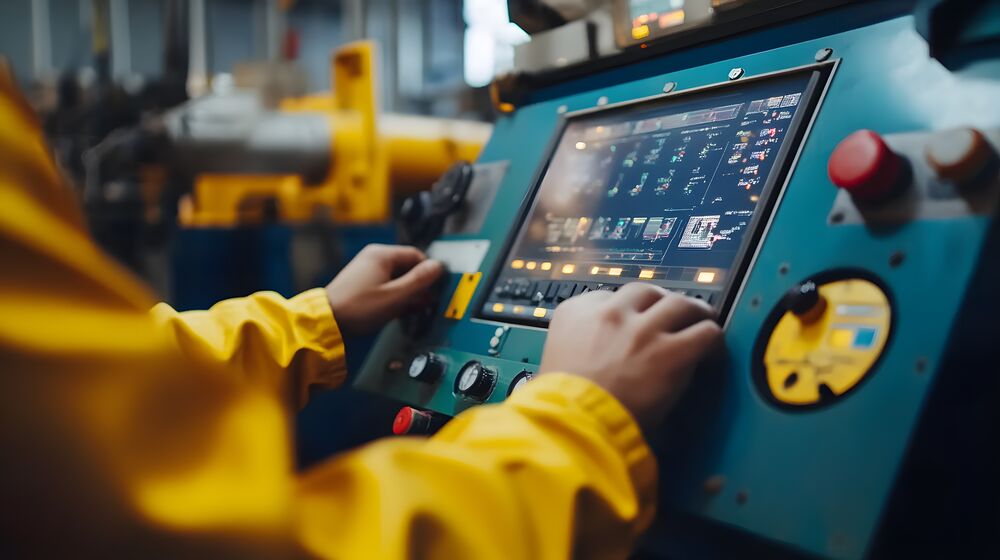
(Source: Aditya/stock.adobe.com; generated with AI)
Human-machine interfaces (HMIs) are becoming increasingly vulnerable to the extreme industrial conditions in which they operate, despite significant advances in their capabilities. In the first part of this blog series on HMIs, we delved into HMI fundamentals and revealed the value they bring to automation systems. From semiconductor labs to harsh factory floors, these industrial settings present unique operating conditions—such as temperature, moisture, vibration, and chemical exposure—that engineers must consider when designing an HMI.
At the same time, the rise of the Industrial Internet of Things (IIoT) has transformed HMIs into intelligent decision-support systems. When enterprises expand HMI deployments across multiple sites, they must ensure these devices are resilient to environmental conditions. This blog details some of the HMI design considerations associated with such harsh environments.
Unique Operating Environments Present Unique Challenges
Designing an efficient and high-performing industrial touchscreen HMI requires a clear understanding of the diverse operating environments. These conditions vary between factory floors, pharmaceutical labs, and steel plants to semiconductor fabrication labs and outdoor mining sites.
For example, in a metal processing plant, an HMI may be mounted near a furnace, requiring it to withstand high temperatures without failing. In a food or pharmaceutical manufacturing plant, regular washdown and sterilization procedures expose HMIs to high humidity, pressurized water, and cleaning chemicals.
The range of operating conditions in industrial environments makes it clear that designing an HMI without considering its operating context can lead to premature failure, reliability problems, and capital loss.
How Environmental Factors Affect HMI Design?
With the diverse range of functions offered by HMIs, the hardware design, material selection, and protective measures used in them can vary widely. Additionally, each of these design choices are directly influenced by several environmental factors common to industrial settings.
Extreme Temperature
Prolonged exposure to extreme temperatures can degrade HMI performance due to mechanical failure, cracked overlays, or electronic faults. To address this, industrial HMIs require an extended temperature rating of −25°C to +70°C and specialized components to ensure thermal stability. Some systems integrate passive cooling mechanisms, such as heat sinks and thermal pads.
Moisture and Humidity
Moisture ingress can short-circuit electronics, obscure displays, and compromise enclosure seals. Even a single gap in the seal can allow water to enter the internal components. Engineers must design HMIs with sealed gaskets, conformal coating, and ingress protection ratings of IP65, IP66, or higher to prevent internal condensation and maintain long-term enclosure integrity.
Chemical Exposure
Chemical incompatibility between the materials used to manufacture HMIs and cleaning agents, disinfectants, acids, and solvents can lead to rapid deterioration and safety hazards. Engineers should design HMIs using stainless steel, coated aluminum, and seals made of fluorosilicone to resist chemical degradation.
Vibration and Mechanical Stress
HMIs mounted on heavy machinery that generate vibration can lead to failures or loosened connections within the equipment. To withstand this, HMIs must feature shock-resistant enclosures and vibration-tested connectors (often built to MIL-STD-810G or equivalent standards).
HMIs are prone to failure when manufacturers and operators fail to account for these different operating conditions. This unreliable performance can hinder efforts to achieve digital transformation in rapidly evolving automated industries.
HMI in the Age of IIoT
In addition to resilience to the operating environment, HMIs are expected to be more intelligent and connected as part of Industry 5.0. They have evolved beyond local displays to become integral parts of the larger network of smart devices. Modern HMIs display information from IIoT systems, providing engineers and factory floor operators access to analyzed data for more informed decisions.
These HMIs communicate with IIoT systems using OPC (Open Platform Communications), UA (Unified Architecture), MQTT (Message Queuing Telemetry Transport), or Modbus TCP (transmission control protocols). They also enable remote access through secure applications and support edge processing and localized analytics. HMI devices must not only maintain environmental and cyber-physical robustness but also handle firmware updates, remote sessions, and continuous data flow—all without compromising uptime. Failure caused by harsh environments means failure across IIoT systems that create the essential connections vital to automated operations.
Conclusion
Today’s HMIs are no longer passive interfaces. They are intelligent, distributed endpoints that must operate in harsh environments characterized by temperature extremes, chemicals, and vibration. At the same time, IIoT integration raises the bar for connectivity, data accessibility, and dynamic response.