Solar-Powered Industrial Automation: Efficiency Off the Grid
New Tech Tuesdays
Join Mouser's Technical Content team for a weekly look at all things interesting, new, and noteworthy for design engineers.
Published January 13, 2026
In an era where sustainability and decentralization are reshaping industrial operations, solar-powered automation is emerging as a vital solution. This technology harnesses solar energy to drive variable speed drives (VSDs) and motor control systems, enabling efficient and reliable operation in remote or off-grid environments. Whether it’s powering irrigation pumps in agricultural fields or running ventilation systems in rural facilities, solar-powered automation offers a compelling alternative to diesel generators and fixed-grid infrastructure.
The appeal of this approach lies in its dual advantage: environmental responsibility and operational independence. As industries face increasing pressure to reduce carbon emissions and energy costs, solar-integrated systems provide a path forward that aligns with both ecological goals and practical needs. Many industries have reached a point where the ability to build systems that operate autonomously and sustainably is no longer a futuristic ideal—it’s a present-day imperative. In this week’s New Tech Tuesdays, we explore how solar-powered automation evolved from a niche concept to a practical solution enabling engineers to design resilient and sustainable systems for industries that demand efficiency beyond the grid.
From Grid Dependency to Solar Versatility
The rise of solar-powered industrial automation has been driven by a confluence of technological and market developments. Advances in power electronics have made VSDs more adaptable to variable energy inputs, allowing them to function efficiently even when solar irradiance fluctuates. Central to this capability is the integration of maximum power-point tracking (MPPT) algorithms, which continuously optimize the power drawn from solar panels. These algorithms ensure that systems operate at peak efficiency regardless of weather conditions, making solar a viable energy source even in less-than-ideal environments.
Equally transformative has been the evolution of hybrid energy architectures. Systems that can switch seamlessly between solar DC input and traditional AC grid power offer unmatched flexibility. This dual-supply capability ensures that operations remain uninterrupted, even when solar energy is insufficient. The growing demand for autonomous systems in agriculture, infrastructure, and remote monitoring has further accelerated innovation, pushing manufacturers to develop solutions that are both rugged and intelligent.
Designing for Tomorrow’s Demands
Looking ahead, solar-powered automation is poised to become even more sophisticated. The integration of edge intelligence and artificial intelligence (AI) will enable smarter energy management and predictive maintenance, reducing downtime and optimizing performance. Battery storage technologies are also advancing rapidly, allowing systems to operate beyond daylight hours and improving overall resilience.
Modularity and scalability will be key to future designs, enabling engineers to tailor solutions to specific applications—from small-scale farms to large industrial complexes. Regulatory incentives and carbon credit programs may also play a role in driving adoption, particularly in regions where sustainability is both a necessity and a strategic advantage.
Despite these promising trends, challenges remain. Ensuring long-term reliability in harsh environments, managing installation costs, and maintaining system performance over time all present ongoing concerns. However, continued innovation in materials science, control algorithms, and system integration is steadily addressing these issues, paving the way for broader deployment.
The Newest Products for Your Newest Designs®
Designed specifically for solar-powered motor control applications, Schneider Electric Altivar™ ATV320 solar VSDs (Figure 1) combine robust performance with intelligent energy management. They feature integrated MPPT algorithms that maximize solar energy utilization, ensuring optimal efficiency throughout the day. The VSDs’ dual-supply capability allows them to operate from both solar DC input and conventional AC grid power, providing critical flexibility for hybrid systems.
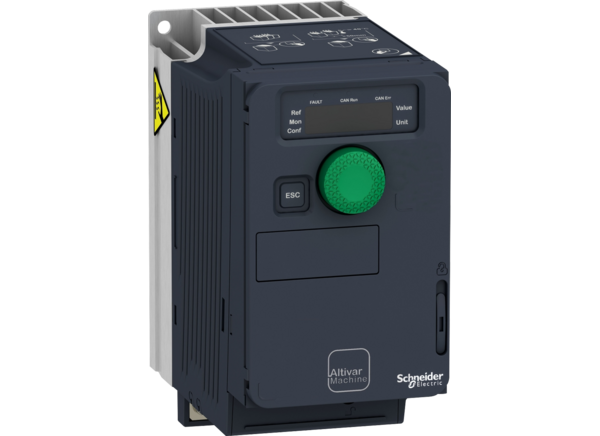
Figure 1: Schneider Electric ATV320 Solar VSDs power motors from photovoltaic (PV) arrays without the need for stored energy solutions. (Source: Mouser Electronics)
Built to withstand demanding environments with IP20 protection ratings, these drives support both asynchronous and synchronous motors, making them suitable for a wide range of applications, such as irrigation, ventilation, and remote telemetry.
Tuesday’s Takeaway
Solar-powered industrial automation is more than a trend—it’s a strategic evolution in how we think about energy and efficiency. As technologies like MPPT and dual-supply drives become standard, engineers are empowered to create systems that are not only sustainable but also resilient and intelligent. The sun, once a passive backdrop to industrial activity, is now a driving force behind its future.
This blog was generated with assistance from Copilot for Microsoft 365.